
QR Code Menus + WhatsApp Ordering for Egypt
By menu-MENA Team
Published on June 22, 2026
The Egyptian restaurant stack
In a lot of countries, the digital ordering stack is QR menu plus a tap-to-pay button plus an aggregator. In Egypt the dominant stack at independent restaurants is different and simpler: QR code at the table, browser-based menu on the phone, order placed through WhatsApp directly to the branch. This is how Egyptian guests already prefer to communicate, and how a huge slice of takeaway and delivery orders actually flow outside the major aggregators.
menu-MENA is built around this stack. The QR is generated for you. The menu is mobile-first and bilingual. The WhatsApp button is a first-class feature, not an afterthought.
How the QR code part works
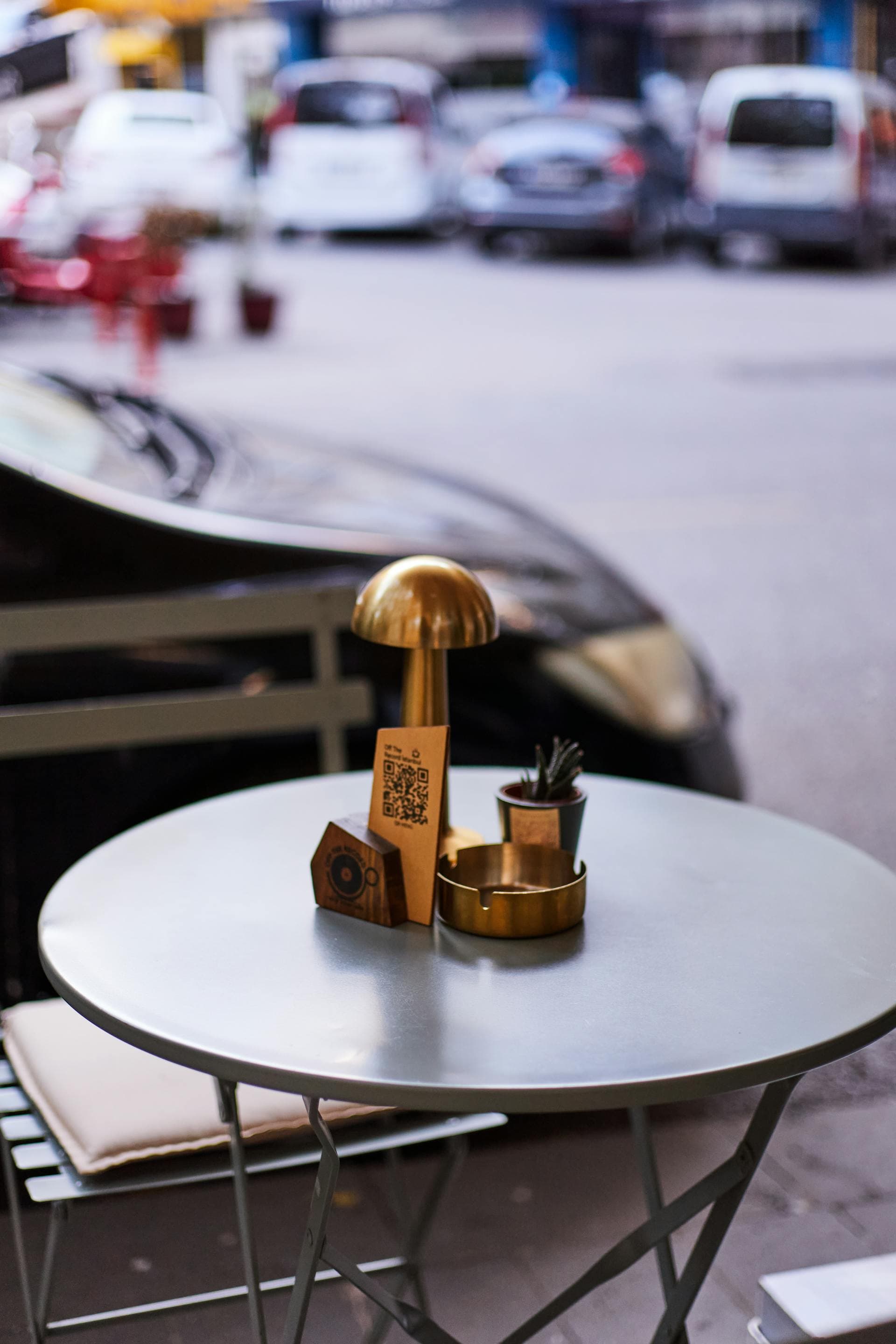
Every restaurant on menu-MENA lives at a stable subdomain, for example menus.mena-x.com/your-restaurant. Multi-branch accounts get a separate URL per branch. The dashboard generates a QR code that points at that URL, sized between 128 and 512 pixels, downloadable as PNG. You print it once and the URL behind it does not change, which means a sticker on a table in 2026 still works after every menu update for the life of the restaurant.
A common rollout: a small QR menu card laminated on each table, a larger QR menu stand or A-frame at the entrance for delivery and takeaway orders, and a printed QR on the takeaway bag for repeat orders. The QR menu online never expires, so the same printed QR menu card from launch day still resolves to your current menu years later.
How the WhatsApp part works
The WhatsApp floating button (FAB) sits on the storefront. Guests browse, tap items to add quantities to a basket, and when they are ready they tap the WhatsApp FAB. The system constructs a pre-filled message that contains:
- A configurable opener line set by the restaurant (greeting, table-number prompt, dine-in/delivery prompt)
- The list of items the guest selected with quantities and prices
- The order total in EGP
- The branch name
That message opens in WhatsApp ready to send to the branch's configured WhatsApp Business number. The guest hits send, the order lands in the kitchen's WhatsApp inbox, the branch confirms, the food cooks. No app to install, no payment processor in the middle, no aggregator commission.
Per-branch routing
The WhatsApp number is configured per branch. A guest scanning the QR in Maadi messages Maadi. A guest scanning in Zamalek messages Zamalek. The parent account never sees an order land in the wrong inbox.
Configurable opener message
The first lines of the pre-filled message are yours to write. A typical opener for a dine-in restaurant might be:
Hi! I'd like to place an order. Table number: ____. Please confirm the order below:
A delivery-only operation might write:
Hi! Delivery order. Address: ____. Phone: ____. Order details:
Whatever fits how your branch actually takes orders.
Why this beats a generic ordering form
Three reasons that come up over and over with restaurant owners:
Guests already trust WhatsApp
A web form they have never seen before asks for trust. WhatsApp is already on their phone, already has their identity, and is already where they message their family. Asking them to send a message instead of fill a form removes friction at exactly the highest-drop-off moment.
The conversation continues
If the kitchen is out of okra, the cook texts back. If the guest wants to add a Pepsi, they reply. If delivery is delayed, the rider sends an ETA. None of that is possible in a one-shot form submission. WhatsApp keeps the thread alive, which is how Egyptian restaurants and Egyptian guests already operate.
No commission, no aggregator
Aggregators take 20 to 30 percent. WhatsApp orders take zero. For a restaurant with reasonable margins, the difference between a 25 percent commission and zero is the difference between losing money on delivery and making money on it.
Reliability when the WiFi fails
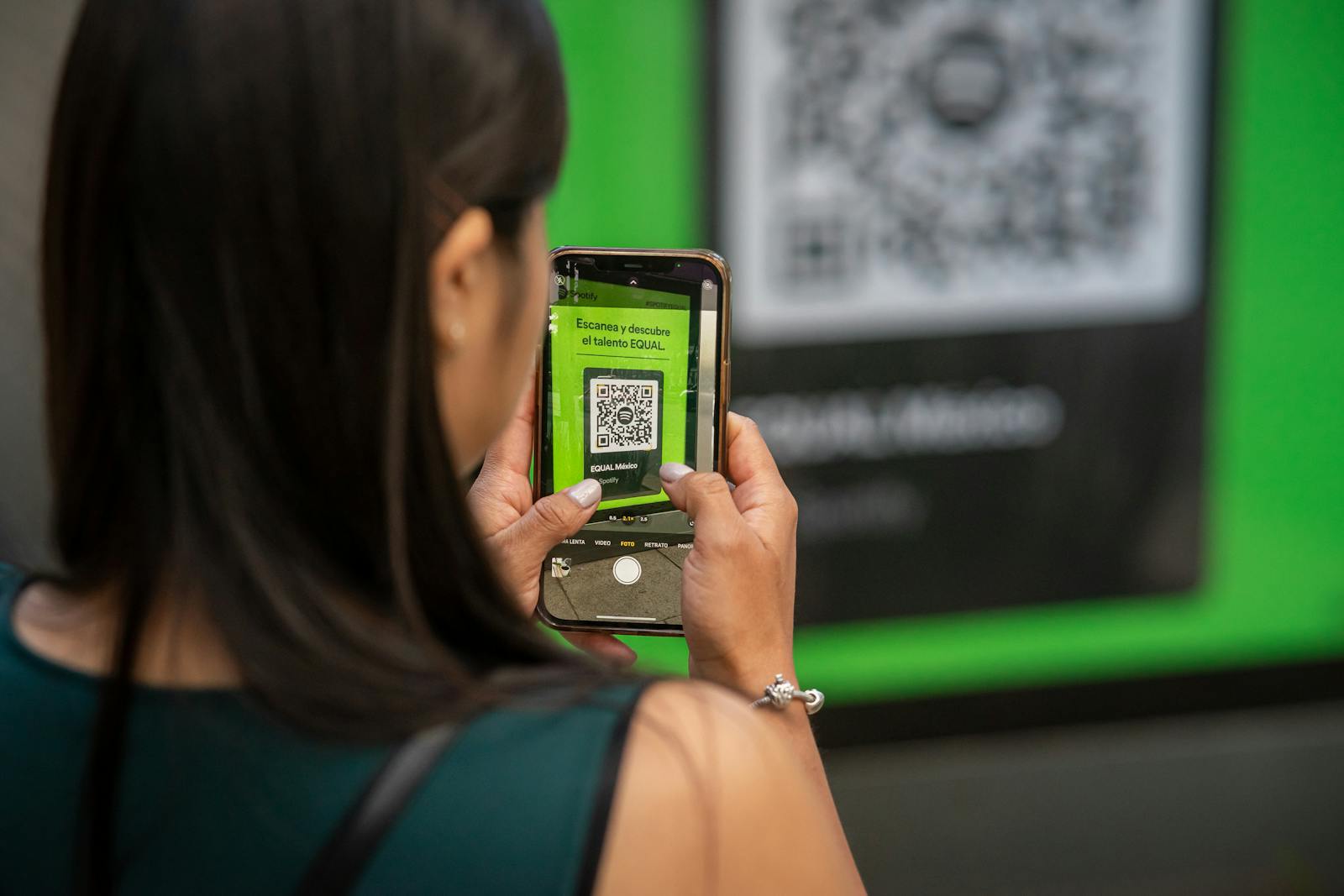
Egyptian restaurant WiFi is not always great. menu-MENA handles this with a Progressive Web App architecture. A service worker caches the menu locally on first load. IndexedDB stores the catalog and overlays. The next time the guest scans the QR, the menu loads from local cache before the network round-trip completes, and a guest can browse and build their order entirely offline. The WhatsApp send itself uses the phone's mobile data when the guest taps send, which is rarely the bottleneck.
Guests can also install the menu to their home screen if they are repeat customers. A loyal regular at a koshary spot in Maadi adds the menu to their home screen and skips the QR scan entirely from then on.
Pricing for the full stack
The QR generator, the WhatsApp FAB, the PWA caching, and the bilingual menu are all included in the base subscription. 3 EGP per day, 90 EGP per month, or 1,000 EGP per year for the first branch. 50% off each additional branch. The 14-day free trial includes everything in this article.
Key takeaways
- QR generated client-side, sized 128 to 512 pixels, downloadable as PNG, URL is stable for life
- WhatsApp FAB pre-fills greeting, items, quantities, and total to your branch number
- WhatsApp number is per-branch, so multi-location chains route correctly
- PWA caching keeps the menu working when restaurant WiFi struggles
- Zero commission to aggregators for orders that come through this stack
QR plus WhatsApp is not glamorous, it is just what works in Egypt. Build for that and the ordering takes care of itself.