
Launch Your Menu Fast: 1,100-Item Pre-Built Catalog
By menu-MENA Team
Published on June 15, 2026
What to look for in a QR menu maker or QR menu generator
Most so-called QR menu generator tools just turn a URL into a square barcode and stop there. A real QR menu maker has to ship the menu behind the QR too: bilingual items, sensible categories, and a digital menu template that does not look generic. That is the bar this catalog is built against, and it is the difference between a QR sticker and a working menu.
The empty database problem
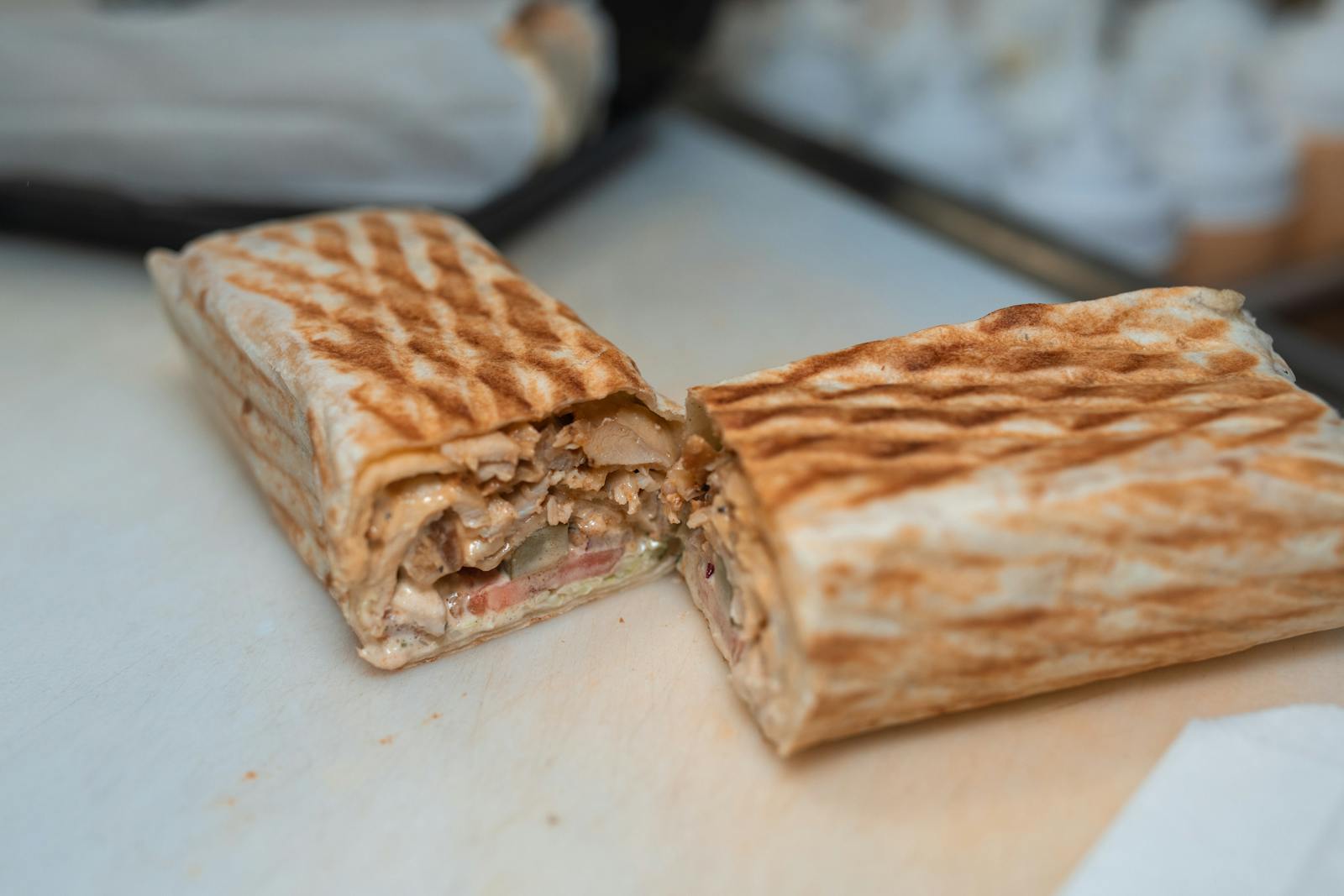
Most digital menu tools start you in front of a blank screen with an "Add your first item" button. That sounds reasonable until you actually do it. A typical Egyptian restaurant menu has somewhere between 80 and 250 items, each needing a name in Arabic, a name in English, a description, a price, a category, and a dietary label or two. A koshary spot in Maadi types in koshary by hand. The Levantine grill in Smouha types in shish tawook by hand. The cafe in Alexandria types in cappuccino by hand. Multiply across thousands of restaurants and you get a lot of duplicated typing.
menu-MENA takes the opposite approach. We pre-typed 1,100 items so you do not have to.
What is in the catalog
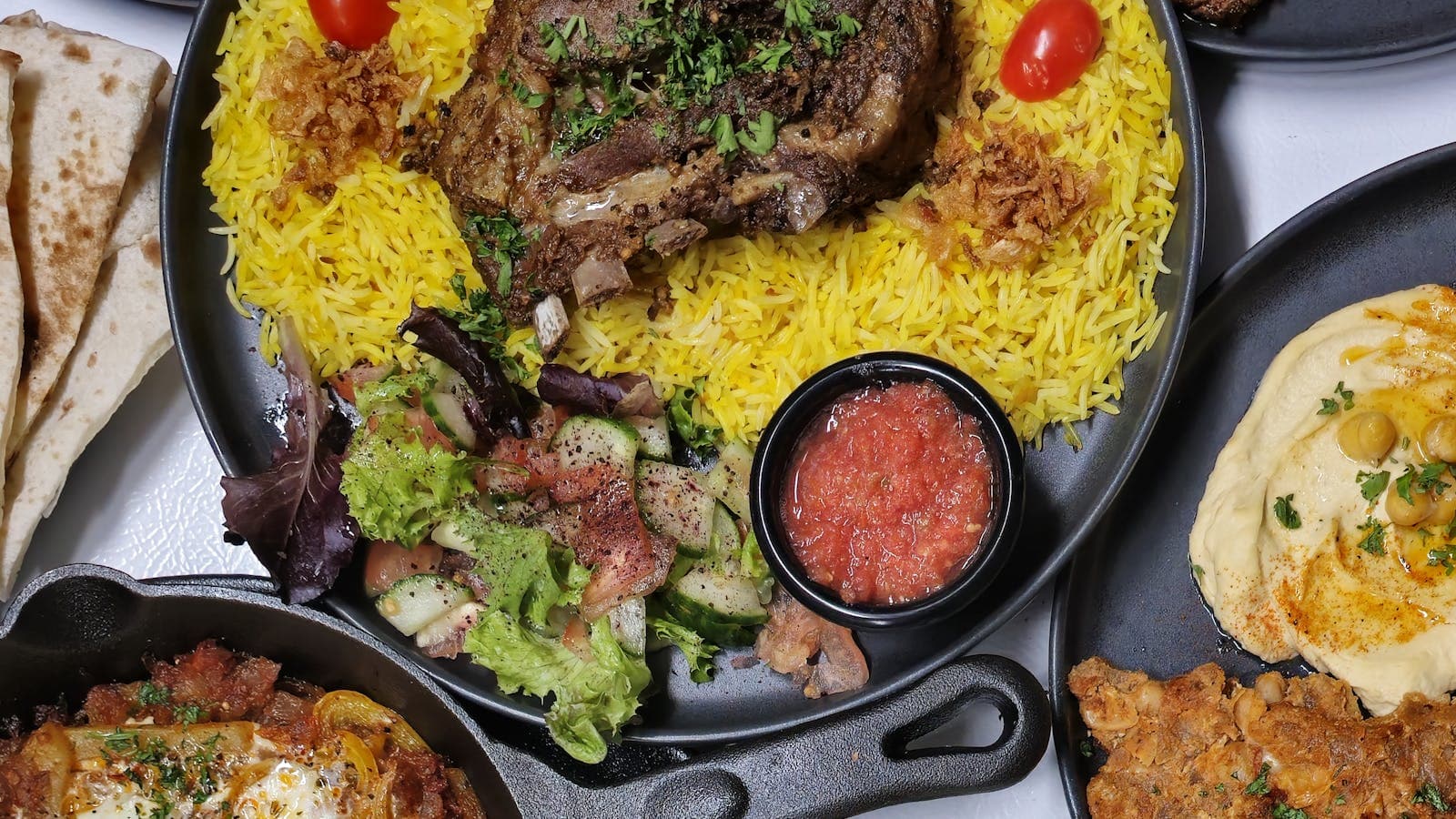
The catalog is organized across 65 categories and 28 establishment types covering Egyptian baladi food, Levantine, grill, seafood, cafe, dessert, juice, pizza, shawarma, koshary, and the obvious crossover combinations. When you sign up you pick the establishment types that match what you actually sell, and the relevant categories and items load automatically into your draft menu.
Every item ships with parallel Arabic and English fields, sensible default descriptions, dietary labels filled in where they are obvious, and a placeholder image. Halal is assumed and not labeled, because labeling every dish halal in Cairo is noise. Dairy, nuts, vegetarian, vegan, spicy, popular, and new are pre-tagged where appropriate.
How the catalog overlay works under the hood
The technical detail matters because it determines how flexible the system feels in practice. Catalog items have IDs prefixed with catalog:. When a restaurant signs up, those items appear in the menu by reference, not by copy. If you do nothing, your menu shows the catalog defaults. If you edit an item's price or description, menu-MENA writes only the changed fields to Firestore against that catalog-prefixed ID. The next time the menu loads, those overrides are merged on top of the catalog defaults.
Three practical consequences:
Soft delete, not destructive delete
If you do not sell molokhia, you hide it. The hidden flag goes into your overlay, but the underlying catalog entry is untouched. You never have to re-add it if you change your mind, and your hide does not affect any other restaurant.
Cheap price updates across the platform
When inflation moves and a baseline ingredient cost changes, the platform can update default catalog prices, and any restaurant that has not overridden that specific price gets the new default automatically. Restaurants that have set their own prices keep their own prices.
Fast onboarding
Because the heavy data is shared, your initial Firestore footprint is tiny. Your menu's storage cost grows with your edits, not with your item count.
A realistic onboarding flow
A new family cafe in Alexandria signs up in the morning. They select the cafe and dessert establishment types. Roughly 180 items load. They scroll through, soft-delete the 40 items they do not sell, override prices on the 60 items where their pricing differs from default, and add 8 custom signature drinks. By lunch they have a complete bilingual menu, a QR code printed and laminated for every table, and a WhatsApp ordering button live on the storefront.
Total subscription cost during onboarding: zero, because the 14-day free trial covers it. After the trial, 90 EGP per month or 1,000 EGP per year keeps the menu live. If they open a second branch in Sidi Gaber, the second branch is 50% off the base, so the two branches together run at 1.5x.
What the catalog is not
The catalog is not a constraint. Custom items live alongside catalog items in the same menu and behave identically in the storefront, in dietary filters, in search, and in the WhatsApp order summary. Many restaurants treat the catalog as a fast 80% baseline and add their signature dishes as custom entries on top. The mix is invisible to the guest.
The catalog is also not a static dump. It evolves as we add new establishment types and categories, and existing restaurants benefit from those additions automatically without any breaking changes to their existing edits.
Key takeaways
- 1,100 items, 65 categories, 28 establishment types, all bilingual on day one
- Catalog overlay means your edits are stored separately and never affect other restaurants
- Soft-delete hides items you do not sell without losing them
- Halal is the default and is not tagged; dairy, nuts, and other relevant labels are pre-applied
- A typical small restaurant goes live in under an hour during the 14-day free trial
The blank-database starting point is an artifact of how generic SaaS tools are built. A digital menu tool that actually understands what an Egyptian restaurant sells should not make you type "shish tawook" again.