Why Every Egyptian Restaurant Needs a Digital Menu in 2026
By menu-MENA Team
Published on May 11, 2026
Printed menus are the most expensive cheap thing in your restaurant
Walk into ten restaurants in Maadi, Zamalek, or Smouha and count how many of them have a menu with a price crossed out and rewritten in pen. Probably six or seven. The cost of reprinting a laminated, bilingual menu in Egypt is not the printing itself, it is the time between deciding to raise the koshary price and actually raising it on the table. That gap costs you margin every single day.
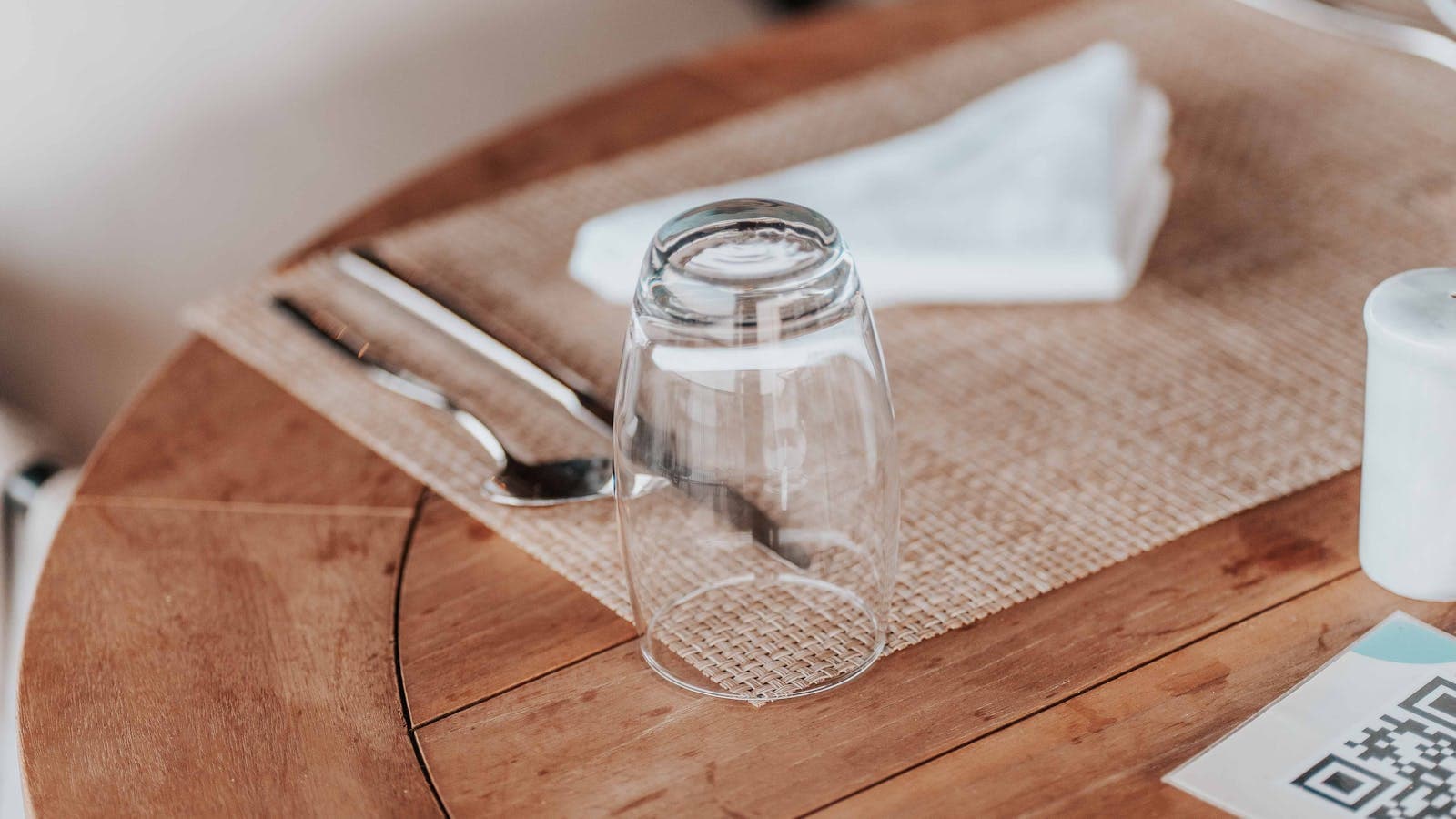
A digital menu closes that gap to zero. A modern digital menu restaurant pairs that live editing with a QR menu restaurant guests scan from the table, and in 2026 those differences have stopped being a luxury for hotel chains. They are now table stakes for a family cafe in Alexandria.
What changed in the last two years
Three things shifted the economics. First, smartphone penetration in urban Egypt is functionally universal in the dining demographic. Second, WhatsApp ordering moved from a workaround to the default channel for a huge slice of delivery and takeaway, especially outside the major aggregators. Third, the EGP volatility of recent years made fixed printed prices a genuine financial risk, not a minor inconvenience.
If your menu is on paper, every time the cost of oil or chicken moves you have a choice between absorbing the loss or printing again. If your menu is digital, you change a number.
What a real digital menu actually does
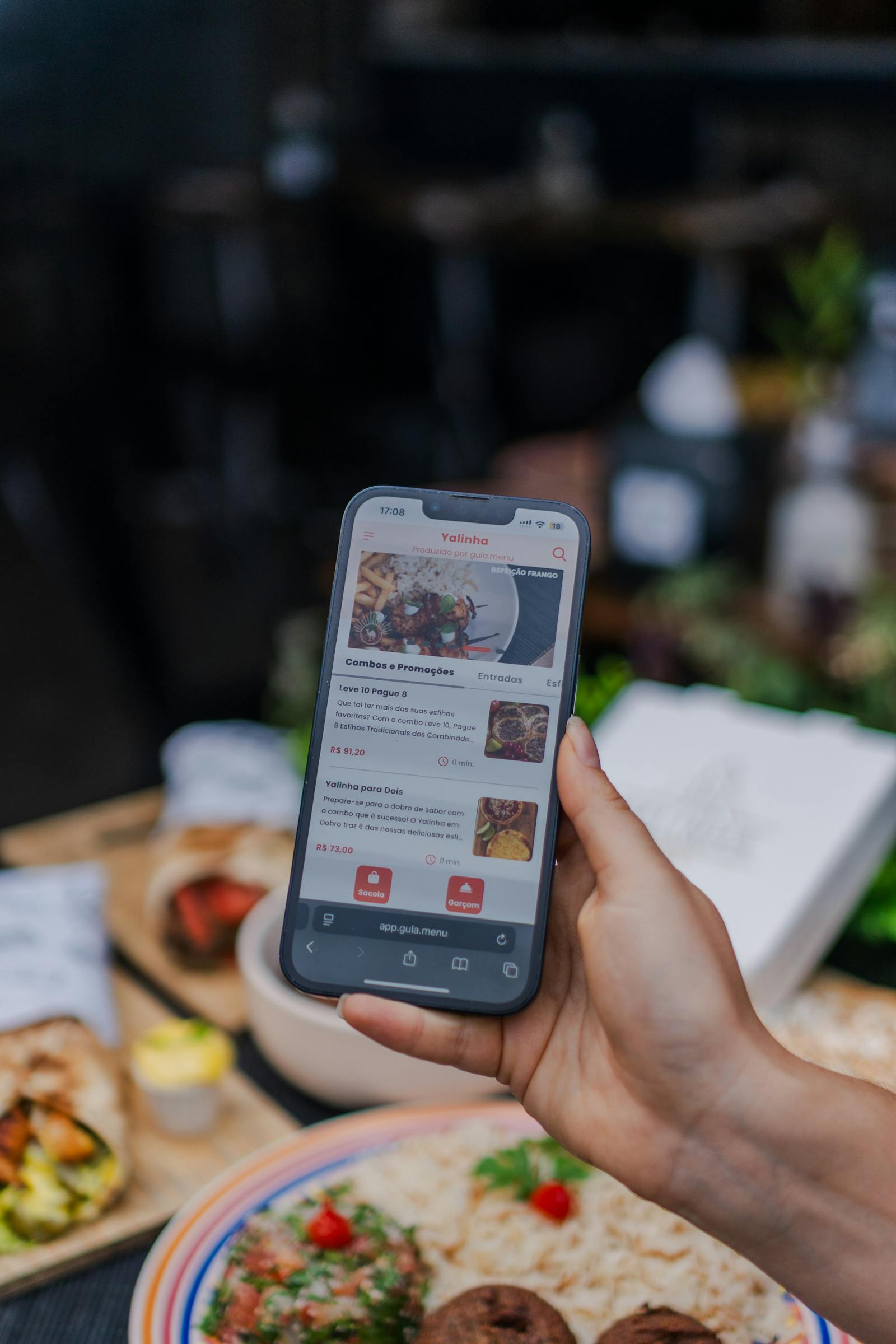
A QR sticker pointing at a PDF you scanned is not a digital menu. A real digital menu is a live, multilingual, mobile-first storefront for the dining room. With menu-MENA each restaurant gets its own subdomain on the platform, for example menus.mena-x.com/your-restaurant. Guests scan, the menu loads in under a second on 4G, and they can flip between Arabic and English with one tap.
The Arabic side is not a Google Translate of the English side. It is a parallel field on every item, written by you, displayed in a proper RTL layout with the Cairo font. A koshary spot in Maadi can show "كشري بالحمص الزيادة" exactly as the regulars say it, not the literal English back-translation.
Speed of edits
Marking an item as sold out, raising a price by five EGP, adding the new mango drink for the season, hiding the breakfast section after 1pm. All of these are dashboard toggles. The change propagates to every guest within seconds.
Dietary labels that match how MENA actually eats
menu-MENA treats halal as the default and does not tag it on every dish, because tagging halal on every item in an Egyptian restaurant is noise. Instead it tags what guests actually need to know: dairy, nuts, vegetarian, vegan, spicy, popular, new. Drinks are tagged dairy-free rather than gluten-free, because that is the question guests actually ask.
The pricing makes it a non-decision
The menu-MENA subscription is 3 EGP per day, 90 EGP per month, or 1,000 EGP per year for a single restaurant. The annual plan works out to roughly 2.7 EGP per day. For comparison, the cost of reprinting a laminated bilingual menu in a city like Cairo, every time something changes, will exhaust that annual fee in a single reprint cycle for a midsize restaurant.
If you operate more than one branch, every additional branch is 50% off. Two branches run at 1.5x the base, three branches at 2x, and so on. A small chain with three locations across Cairo and Giza pays 2,000 EGP per year for all three combined.
There is a 14-day free trial. You can launch the menu, print stickers, see whether your guests scan, and decide before any money changes hands. For two weeks the digital menu is free, with no card required.
What it does not replace
A digital menu does not replace a good waiter, and it does not replace good photography. It does take photos that you already have on your phone and put them in front of guests in a layout that is not embarrassing on a small screen. The platform ships with three built-in templates and a visual Template Builder that gives you full control over colors, typography, and layout, with a contrast checker that prevents the common mistake of light gold text on a cream background that nobody can read in daylight.
Key takeaways
- Egyptian price volatility has made printed menus an active financial risk, not just an inconvenience
- A digital menu loads on a guest's phone in under a second and updates in real time
- menu-MENA is Arabic-first, with parallel AR/EN fields and proper RTL, not machine translation
- WhatsApp ordering is integrated as a first-class feature because it is how Egyptian guests already buy
- Pricing starts at 3 EGP per day, with 50% off each additional branch and a 14-day free trial
The honest question for a restaurant owner in 2026 is not whether a digital menu is worth it. It is how much money you have already spent on printing this year that you did not need to spend.