
Arabic-First Menu Design: Why Translation Isn't Enough
By menu-MENA Team
Published on May 4, 2026
Why a free QR menu generator alone is not enough
You can find a free QR menu generator on the internet in five minutes. What you cannot find for free is an Arabic-first digital menu where Cairo font, RTL layout, and parallel ar_EG / en_US fields are baked into the data model. A QR is a pointer; the menu it points at is what guests actually use.
A bilingual menu is not an English menu plus Arabic
Walk into a typical bilingual restaurant menu in Egypt and you will usually see one of two things. Either the Arabic is a literal back-translation that nobody actually says, like a dish labeled "دجاج مشوي" when every regular calls it "فراخ مشوية." Or the Arabic is a smaller font, awkwardly squeezed into a layout designed for English, with the alignment wrong and the line height fighting the letterforms. Both of these are symptoms of the same root problem: the menu was built English-first and Arabic was stapled on at the end.
Arabic-first means the opposite. The data model, the typography, the layout, and the editorial workflow all treat Arabic as the equal language, not the translation. menu-MENA is built this way because the dominant guest language at most Egyptian restaurants is Arabic, and treating it as a second-class citizen is bad design and bad business.
What changes when you build Arabic-first
Several things, all of them small individually and large in aggregate.
The data model
Every text field on every item is a MultilingualText object with parallel ar_EG and en_US values. Neither is the master, neither is the translation. You can edit the Arabic without touching the English. You can have an Arabic description with regional flavor that mentions ingredients the way locals actually order them, and an English description that explains the dish to a tourist or expat, and they do not have to be word-for-word equivalents.
The layout flips
When the guest taps the language toggle to Arabic, the entire layout switches to RTL. Headings right-align. Section dividers flip. Item images move to the natural RTL position. Navigation, breadcrumbs, and the basket all switch direction. To an Arabic-reading guest the menu just feels right, the way an Arabic book feels right and a poorly localized website does not.
The fonts switch
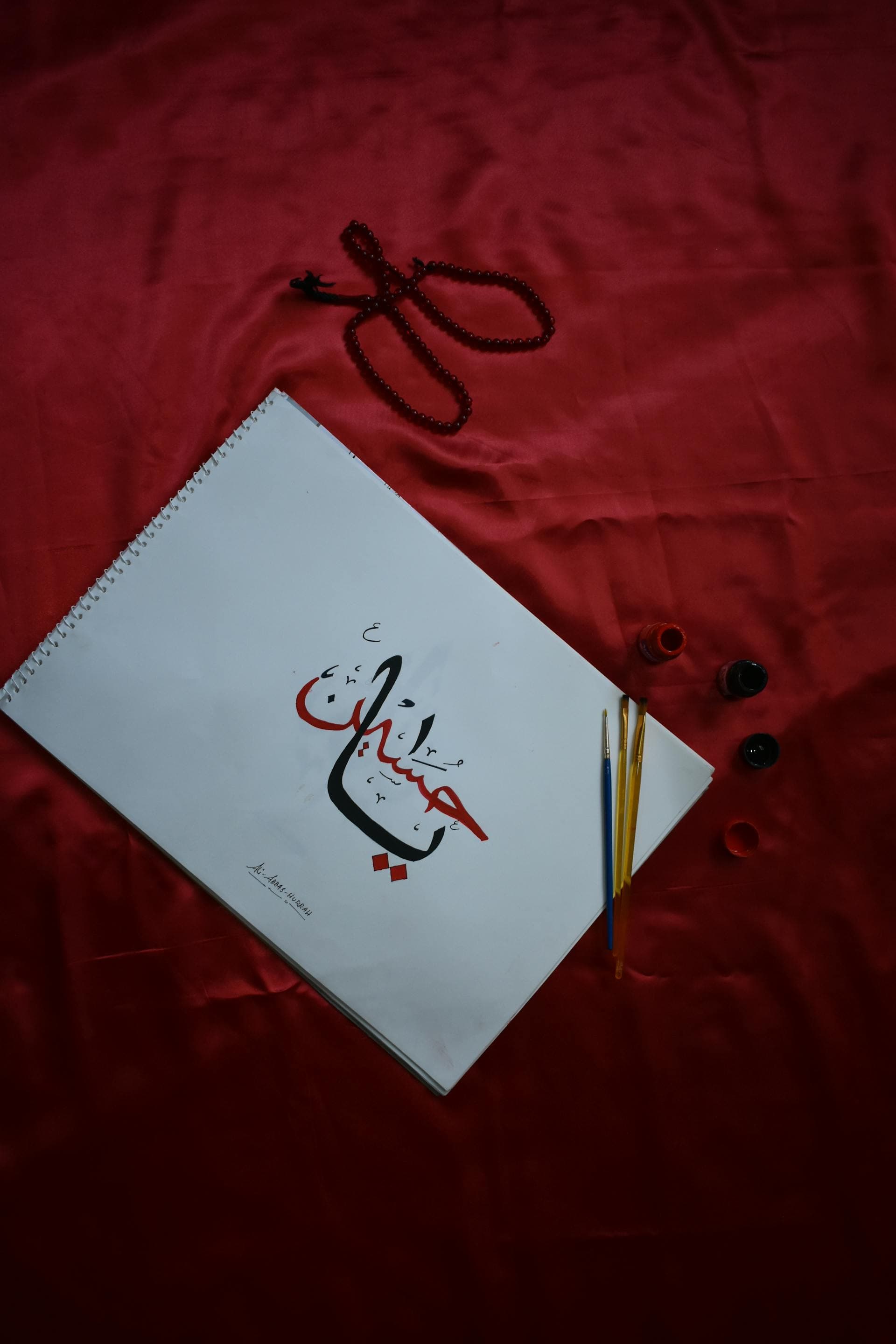
Arabic uses Cairo, a font designed specifically for Arabic web text with proportions and stroke contrast that match modern Arabic typographic conventions. English keeps its Latin font. The two languages are not forced to share a font that compromises both, which is the most common mistake in bilingual menu design.
Dietary labels that match how MENA actually eats
Dietary labels are a place where Arabic-first thinking matters in a way that goes beyond translation. The menu-MENA label system reflects how guests in Egypt and the wider MENA region actually ask about food, not how a Western menu app categorizes it.
Halal is the default
Tagging every dish halal in Cairo is noise. The default assumption is halal. Pork, alcohol, and other non-halal items are the exceptions and would carry their own clear marker if they appeared. Most Egyptian menus do not need to mark anything for this.
Dairy is a real label, vegetarian is different
A vegetarian dish can still contain cheese or cream. Many guests have lactose issues without being vegetarian, and many vegetarians eat dairy happily. menu-MENA separates dairy and vegetarian as distinct labels because they answer different questions.
Drinks use dairy-free, not gluten-free
A guest asking about a smoothie or a coffee in Egypt is much more likely to be asking "does this have milk" than "does this have wheat." The default drink label is dairy-free. Gluten-free is available where it matters but is not the default question.
Nuts always tag
Nut allergies are serious and the labeling convention is to tag every dish that contains nuts, never to assume guests will read the description.
The full label set is vegetarian, vegan, dairy, nuts, spicy, popular, and new, plus dairy-free for drinks. Each label translates to its proper Arabic equivalent when the guest browses in Arabic.
Editorial workflow that supports both languages
The dashboard shows both languages side by side when you edit an item. You see your Arabic name and English name, your Arabic description and English description, your dietary labels, and your image, all in one editor. The contrast checker on the template builder runs in both languages because Arabic letterforms have different visual weight than Latin and a color combination that passes contrast in English may fail in Arabic.
For multi-branch chains the language balance often differs by neighborhood. A branch in Sheikh Zayed may see 70 percent Arabic browsing, while a branch in a tourist-heavy area of Sharm may flip to 60 percent English. The dashboard shows view counts split by locale per branch so you can see this rather than guess.
Numerals, currency, and the small details
menu-MENA uses Western Arabic numerals (1, 2, 3) consistently in both languages, which matches how almost all modern Egyptian menus are printed. The currency label switches between "EGP" in English and "ج.م." in Arabic. Time formats and date formats follow the locale. None of these decisions are accidents; they are how a real Egyptian guest expects a real Egyptian menu to read.
Pricing is the same regardless of language
3 EGP per day, 90 EGP per month, or 1,000 EGP per year for the first branch. 50% off each additional branch. The Arabic-first design, the Cairo font, the RTL layout, the bilingual data model, and all the dietary label work are included in the base subscription. The 14-day free trial gives you the full thing.
Key takeaways
- Bilingual MultilingualText fields treat ar_EG and en_US as equals, not original and translation
- Layout flips to true RTL with proper alignment, navigation, and reading order in Arabic
- Cairo font for Arabic, Latin font for English, neither compromised for the other
- Halal is the default and not tagged; dairy, nuts, and other useful labels are
- Dashboard analytics split view counts by locale per branch so you can see the real mix
If most of your guests read Arabic, your menu should treat Arabic as the main language. Anything less is a worse experience for the people who actually pay your bills.